
 EN
EN
 PT
PT
 ES
ES
 FR
FR
 DE
DE
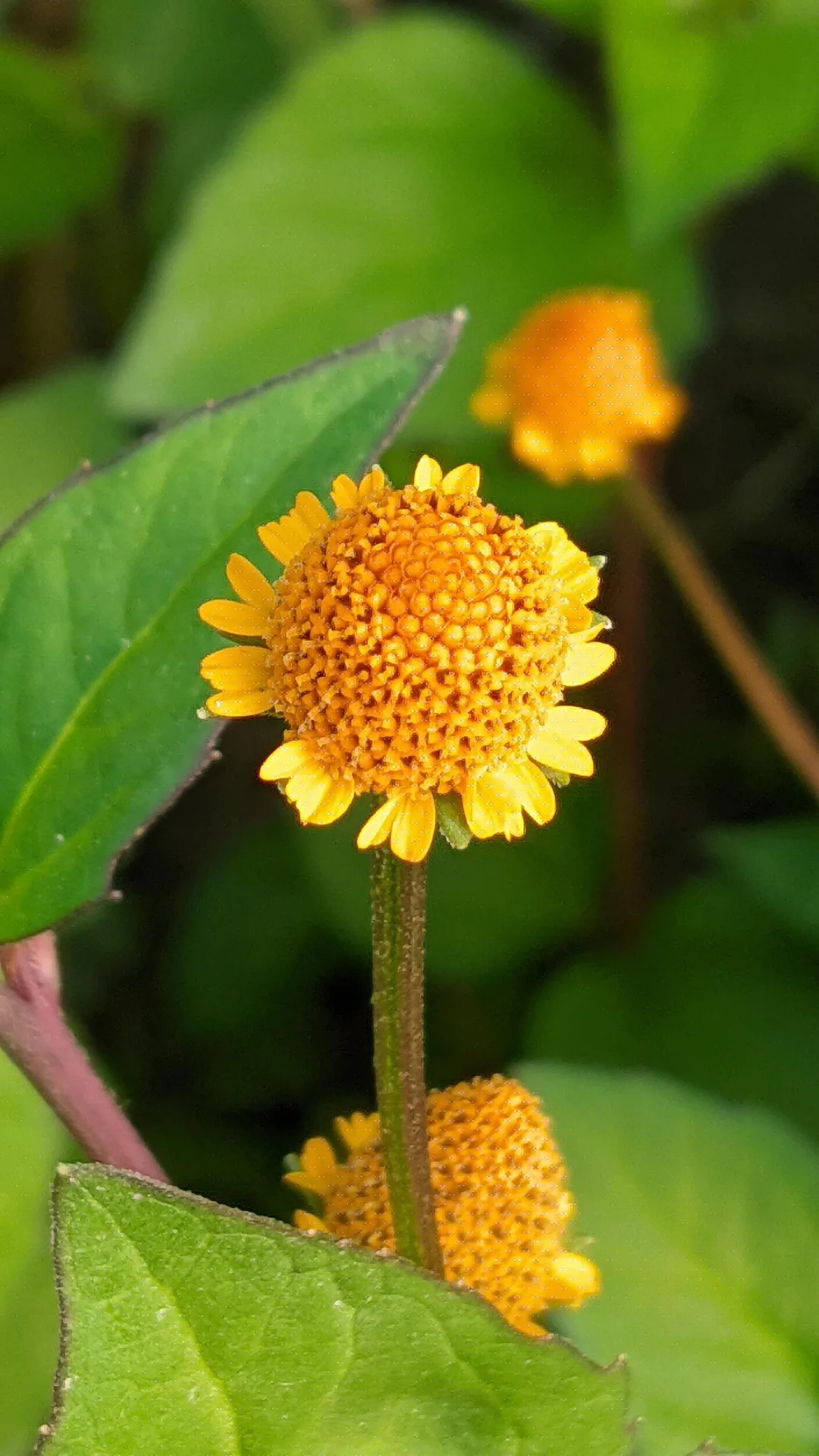

Origin of Acmella Oleracea
Acmella oleracea, often called the “toothache plant” or “jambu,” originates from the Amazon region of Brazil, where it has been cultivated and valued for centuries. In traditional Brazilian culture, its leaves and flowers were used both as a culinary ingredient — famed for the tingling sensation they impart to dishes — and as a natural remedy. Indigenous communities chewed the flower heads to relieve toothaches and oral discomfort, while also applying preparations of the plant to soothe inflammation, reduce pain, and support general wellness. Today, these ethnobotanical practices form the basis for its modern recognition: in cosmetics, spilanthol extracted from Acmella oleracea is prized as a natural wrinkle-smoothing and hydrating active, while in pharmacological research it has demonstrated promising antioxidant, anti-inflammatory, and analgesic properties. This unique bridge between traditional wisdom and modern science has established Acmella oleracea as both a cultural heritage plant and a cutting-edge bioactive for beauty and health.